Urban Design of Zhuhai Western City Centre
Zhuhai Natural Resources Bureau; Zhuhai Western Urban Area Development & Construction Bureau
Overall urban design: 27 km²
Core area detailed design: 10 km²
December 2025
Within the strategic framework of the Guangdong–Hong Kong–Macao Greater Bay Area (GBA), Zhuhai is undergoing a critical phase of spatial restructuring and industrial transformation.
As the city strengthens its partnership with Macao, accelerates the development of the Hengqin growth pole, and deepens collaboration with cities across the western Pearl River Estuary, a new metropolitan growth node is emerging along the west bank.
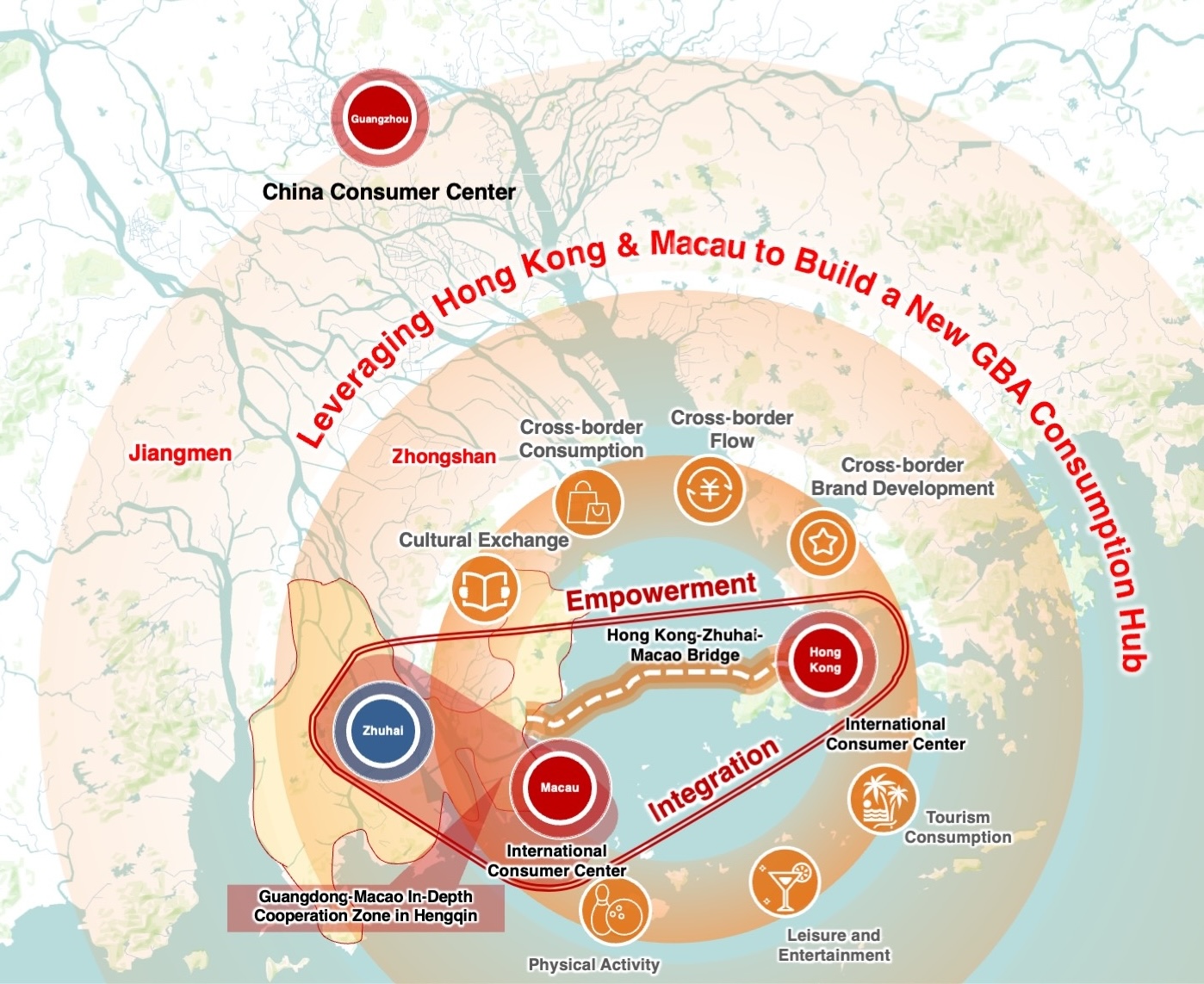
The Zhuhai Western City Centre is conceived as the primary engine of this transformation. Leveraging the Hong Kong–Zhuhai–Macao Bridge and Zhuhai’s expanding transport infrastructure, such as the Jinwan International Airport and the future Hezhou High-Speed Rail Station hub, the project anchors Zhuhai’s “East–West Twin Cities” spatial strategy.
Geographically positioned at the centre of western Zhuhai, the development of the Western City Centre serves as an interim metropolitan core playing a critical role in the long-term CBD vision for Zhuhai Hezhou District, contributing to three major regional roles:
Greater Bay Area Western Wing: Serves as a tourism and urban extension zone integrated with Macao
Golden Inner Bay: Leverages airport connectivity to support advanced technology and manufacturing industries
Zhuxi Metropolitan Circle: Strengthens Zhuhai’s role as a high-value metropolitan hub
More than just a lateral expansion, the project represents a structural redefinition of how Zhuhai grows, integrating ecology, industry, infrastructure, and urban life into a unified framework.
At the broader metropolitan scale, the development is envisioned as the Western Gateway of Zhuhai, positioned as a strategic sub-centre of the city and a pioneering model of Chinese-style modernisation. It aims to become a new metropolitan gateway connecting the western Pearl River Estuary with the Greater Bay Area’s global network.
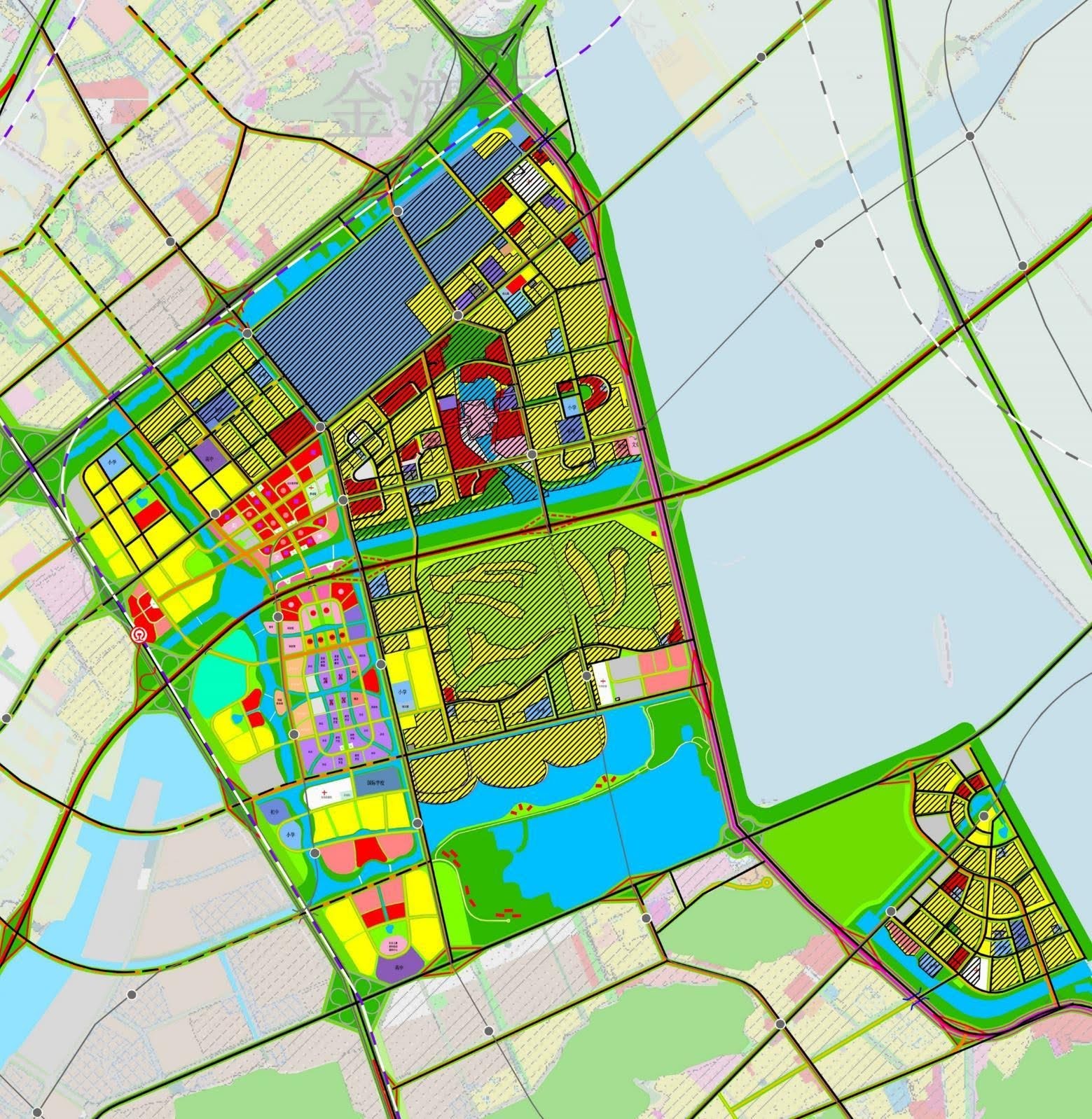
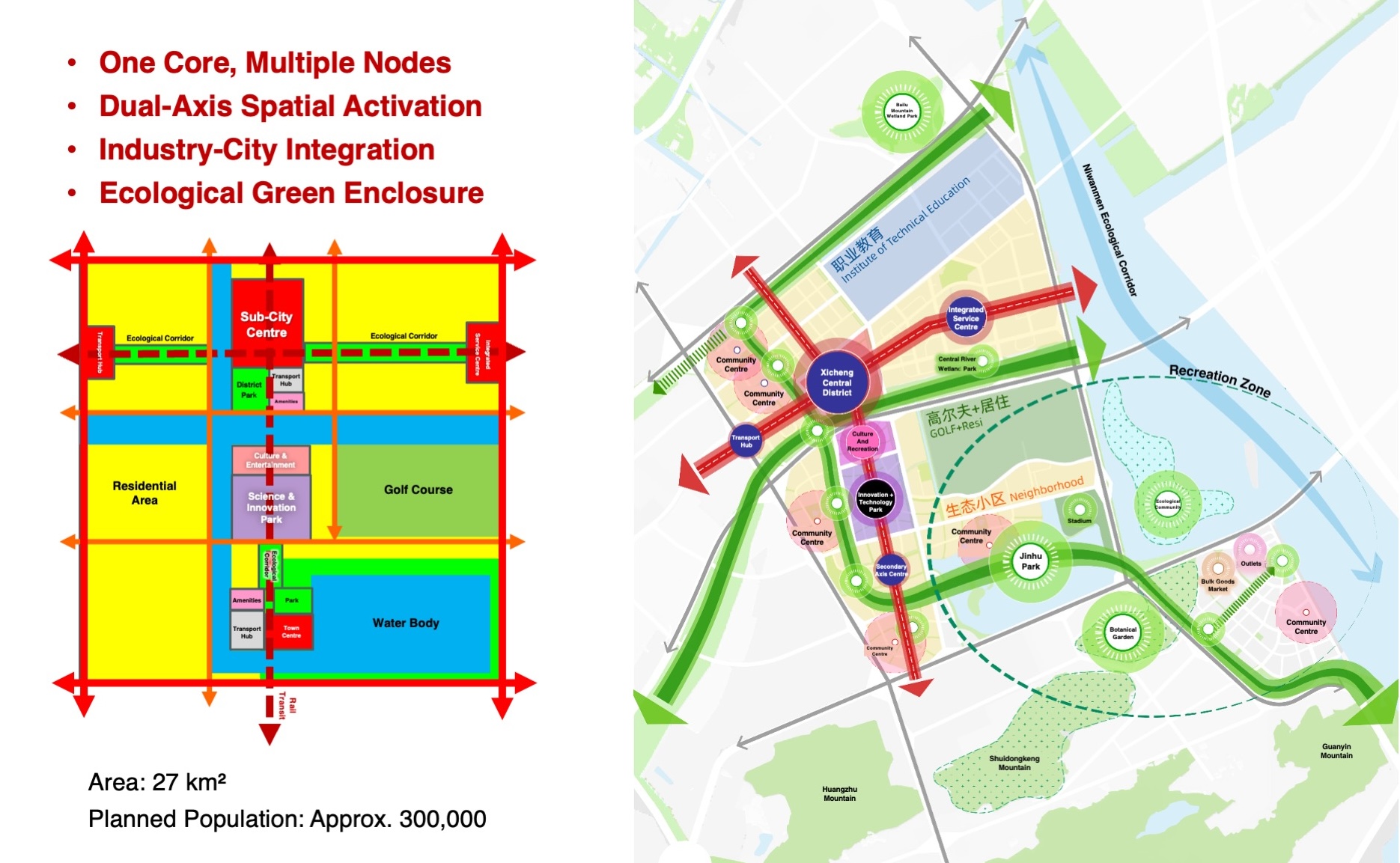
Covering 27 km², with 10 km² of detailed core design and a 3.5 km² architectural concept zone, the master plan accommodates a projected population of approximately 300,000 residents.
From the outset, the project adopts MORROW’s Intelligent Planning methodology to accomplish the following:
Elevate spatial quality through data-informed land allocation
Strategically upgrade urban functions
Integrate infrastructure and public systems
Establish a resilient long-term growth model
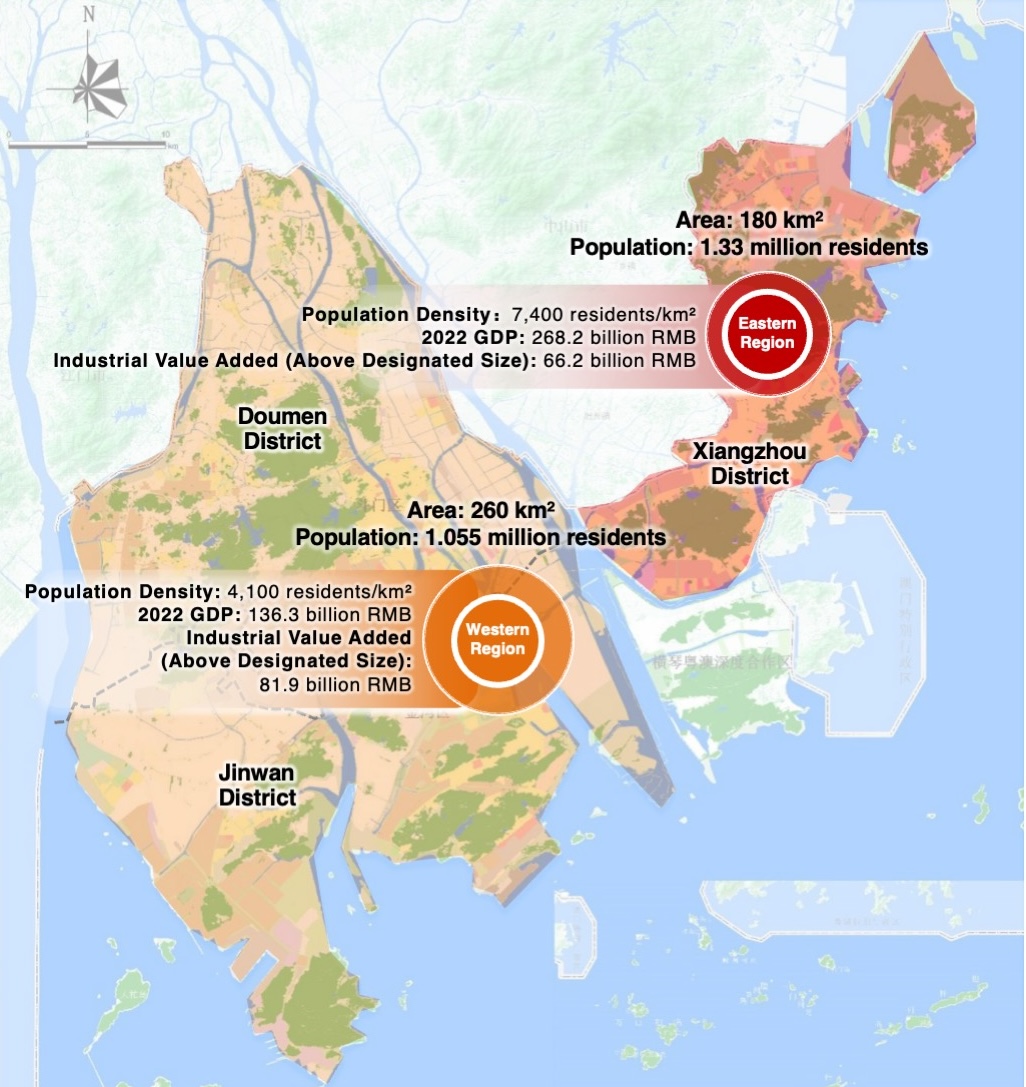
While western Zhuhai possesses a strong industrial foundation and manufacturing capacity, historically it has a fragmented urban structure and lower population density. MORROW’s master plan and urban design for the Western City Centre addresses this imbalance by consolidating resources into a coherent, mixed-use metropolitan core.
The development aims to establish a new urban benchmark for sustainable growth within the Greater Bay Area, closely intertwining economic vitality, environmental stewardship, and a high-quality of urban life.
The master plan establishes a clear spatial framework structured around four major principles:
One Core with Multiple Nodes
A central urban core concentrates civic, commercial, and innovative functions. Residential districts, industrial areas, and public facilities are distributed across the territory as nodes. This multi-layered centre system ensures balanced density and functional diversity across the district.
Dual-Axis Spatial Activation
Two major urban development axes organise movement, public spaces, and development intensity. These axes connect transportation hubs, business districts, waterfront zones, and cultural destinations, creating a continuous sequence of activated urban environments.
Industry–City Integration
Industrial zones are strategically embedded in close proximity within the urban fabric, allowing workplaces, residences, and public amenities to coexist.
Ecological Green Enclosure
Ecology forms the backbone of the spatial structure. A comprehensive green system connects mountains, waterways, and urban districts, reinforcing Zhuhai’s “Mountain–Water–City” identity while improving environmental resilience and climate adaptability.
At its core, the Western City Centre advances a model of Chinese-style modern urbanism, grounded in the integration of four essential urban systems: People, Water, Industry and City.
This integrated framework aims to create a city that balances productivity, environmental quality, and everyday liveability.
1) People – A Liveable and Inclusive Urban Environment
The urban design prioritises liveability and social vitality, while the master plan promotes:
A balanced live–work structure
Comprehensive public services and facilities
Walkable neighbourhoods and vibrant public spaces
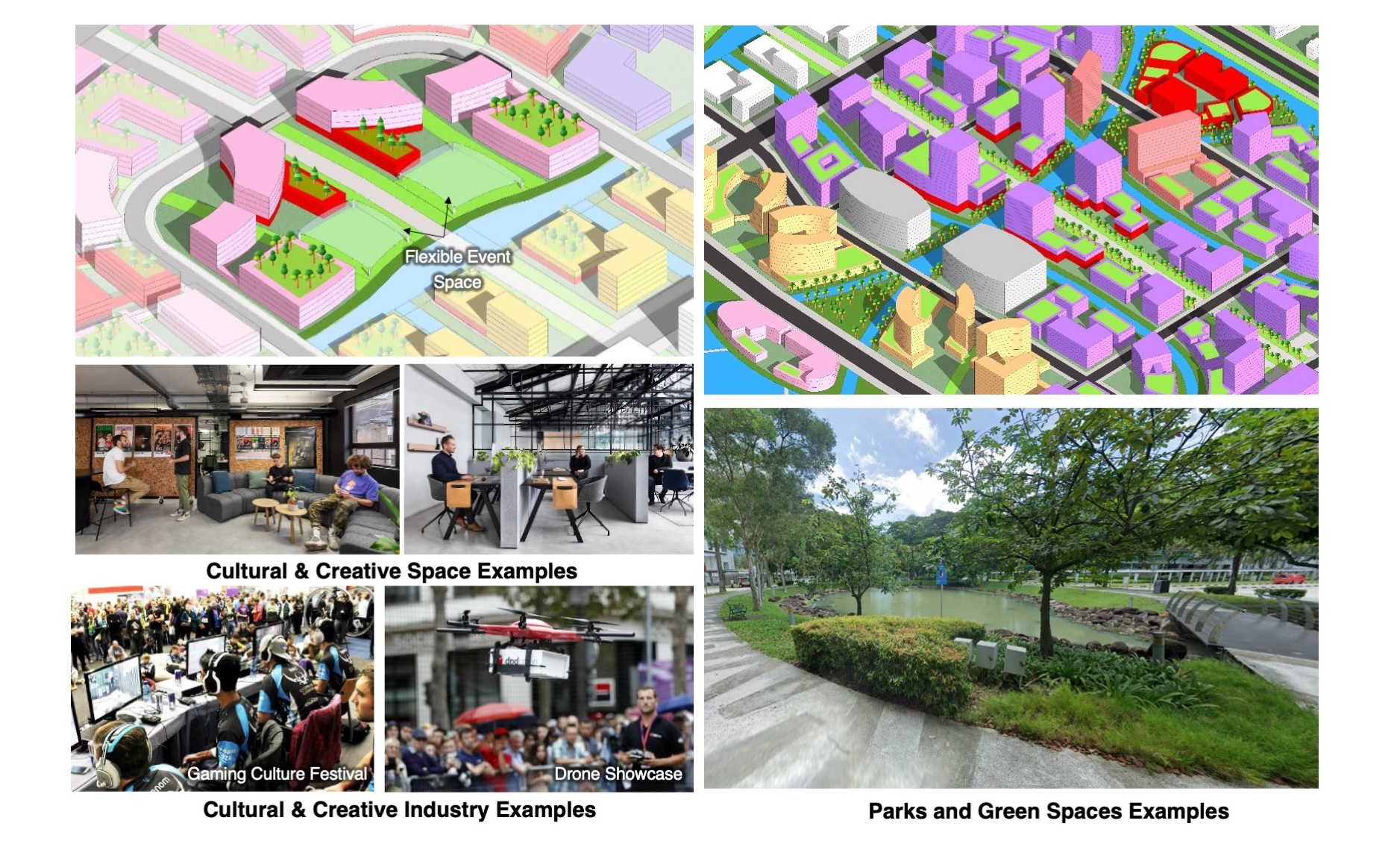
Cultural and recreational destinations
Public spaces, waterfronts, and recreational corridors are designed to create a healthy and inclusive urban lifestyle, with the goal of providing comfortable living environments for residents, while offering attractive cultural and leisure experiences for visitors.
2) Water – Ecological Infrastructure and Urban Identity
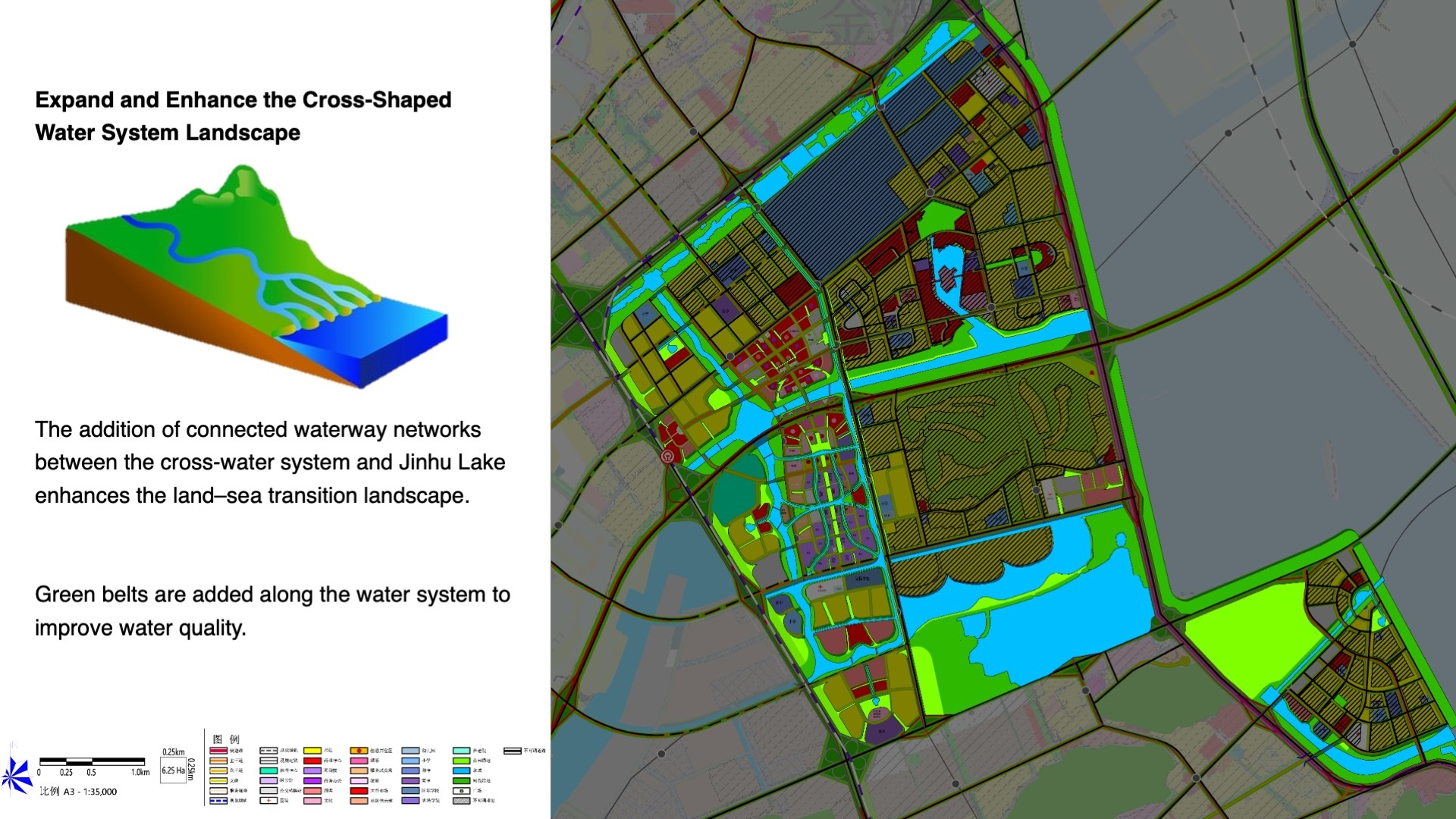
Water systems (Blue Infrastructure) are treated as both environmental infrastructure and crucial contributors to spatial identity. Strategies for their optimisation include:
Ecological restoration of waterways
Integrated rainwater management systems
Stormwater capture, retention, and purification
Public waterfront access and leisure corridors
The extensive waterways link existing rivers and water bodies through the business centre and southern districts. These ecological systems improve flood resilience while shaping a vibrant urban waterfront landscape that integrates recreation, tourism, and environmental education.
The result is a sustainable “water city” where ecological systems and urban life coexist in harmony.
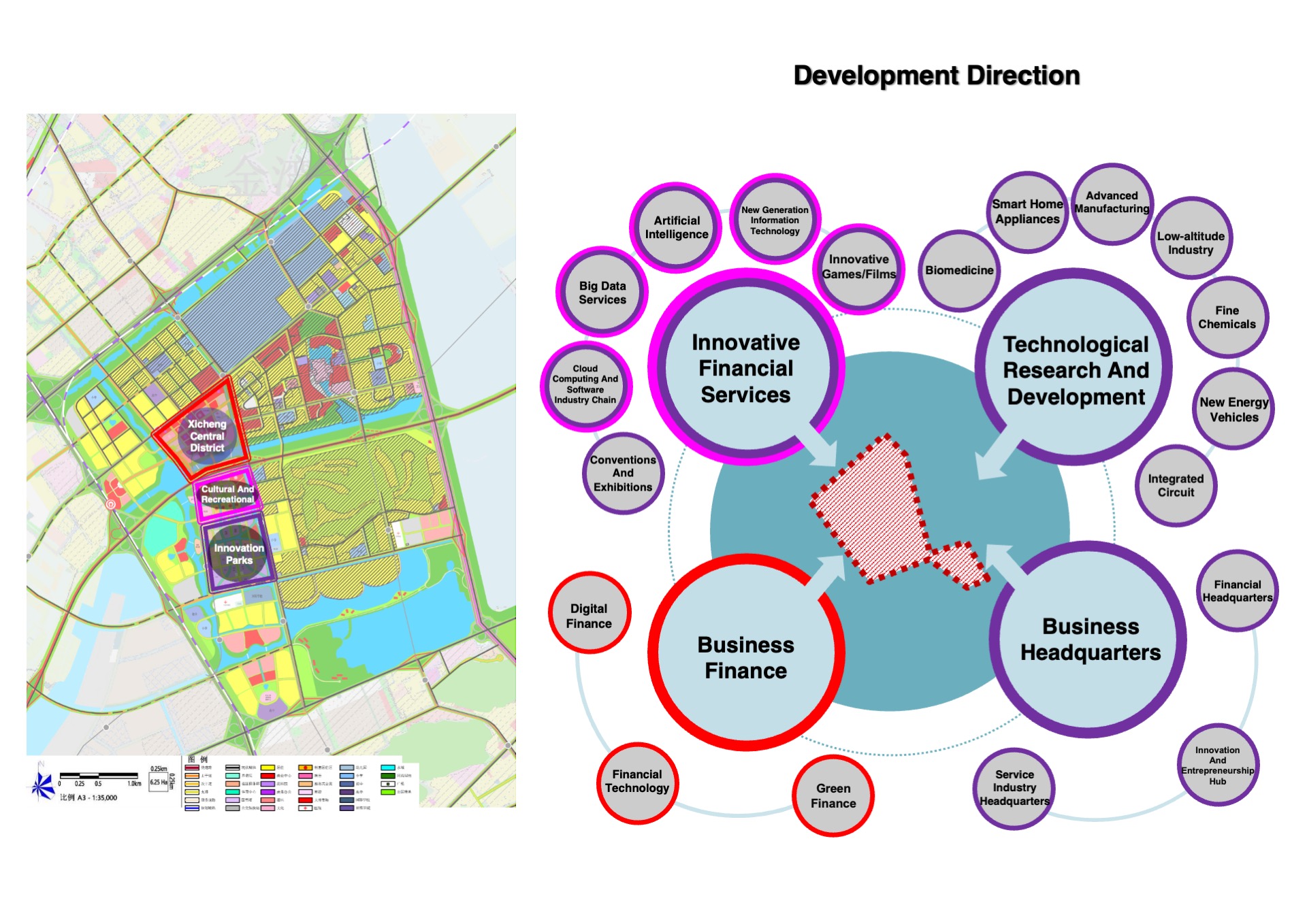
3) Industry – An Innovation and Advanced Manufacturing Hub
Zhuhai’s western district is already anchored by advanced manufacturing, particularly in new energy industries, semiconductor technologies, Unmanned Aerial Vehicle (UAV) and advanced equipment manufacturing.
The master plan enhances and strengthens this foundation by integrating spaces for digital and software sectors into the industrial ecosystem, such as:
Cloud computing platforms
Financial cybersecurity software
FinTech anti-fraud technologies
AI-driven intelligent systems
By combining hardware manufacturing with software innovation and digital services, the Western City Centre establishes a master plan that completes the value chain of “technology + products + applications”, setting the stage for future expansion opportunities.
Dedicated land that supports innovation incubators, start-ups, SMEs, and flexible workspaces for entrepreneurs and freelancers are also allocated and reserved, creating a vibrant ecosystem to attract young talents, building a dynamic, innovation-driven economy.
4) City–Integrated development model
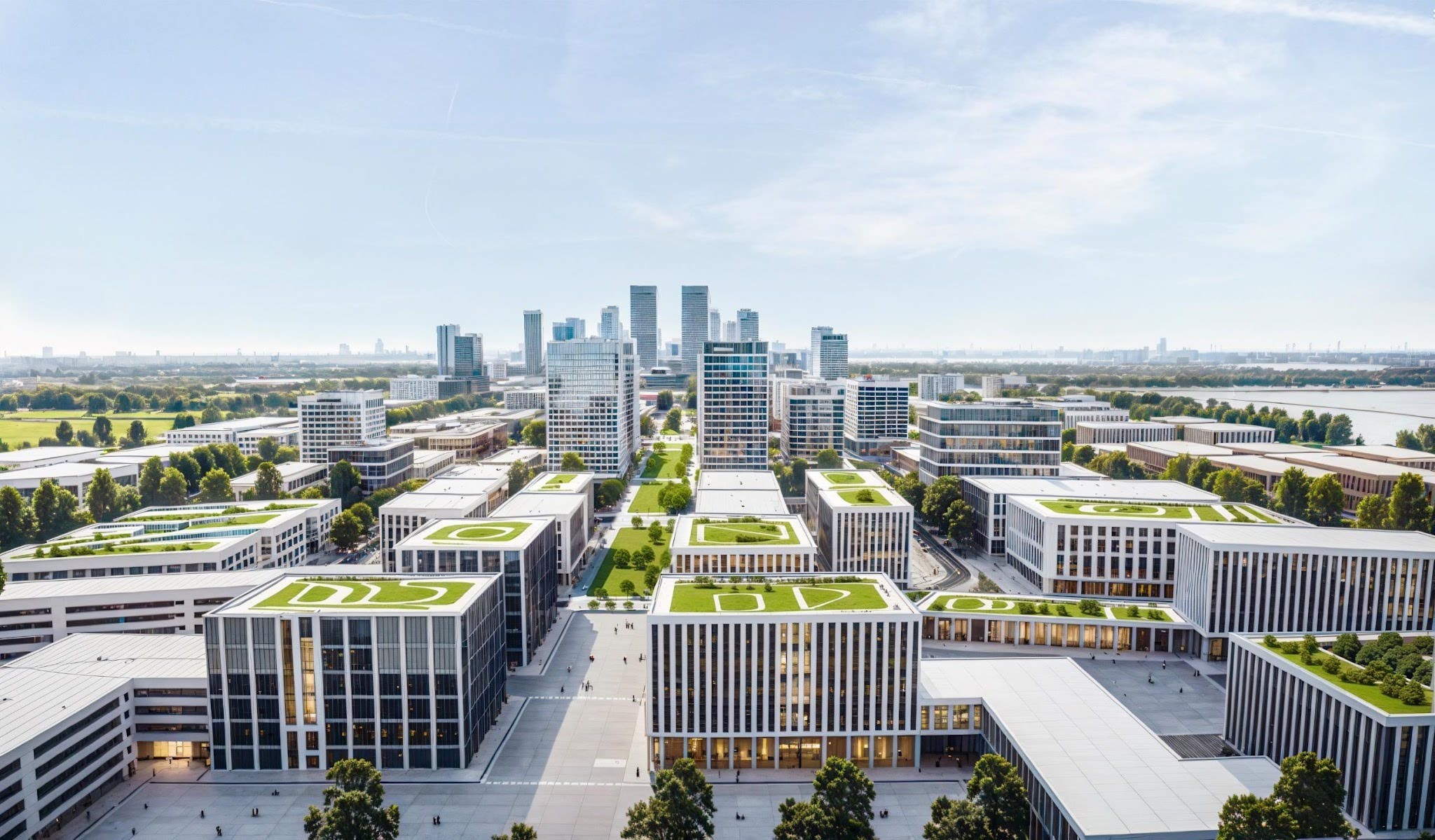
As an integrated development model, the master plan blends industrial and urban lifestyle, encouraging and creating:
Mixed-use innovation districts
Integrated spaces for young families and individuals
Interconnected residential and employment areas
Integrated commercial, cultural, and recreational environments
The above strategy allows for urban vibrancy generated through accessibility, proximity, and a diverse mix of programmes within each district, ensuring that the city remains economically productive while maintaining a high quality of life for its occupants.
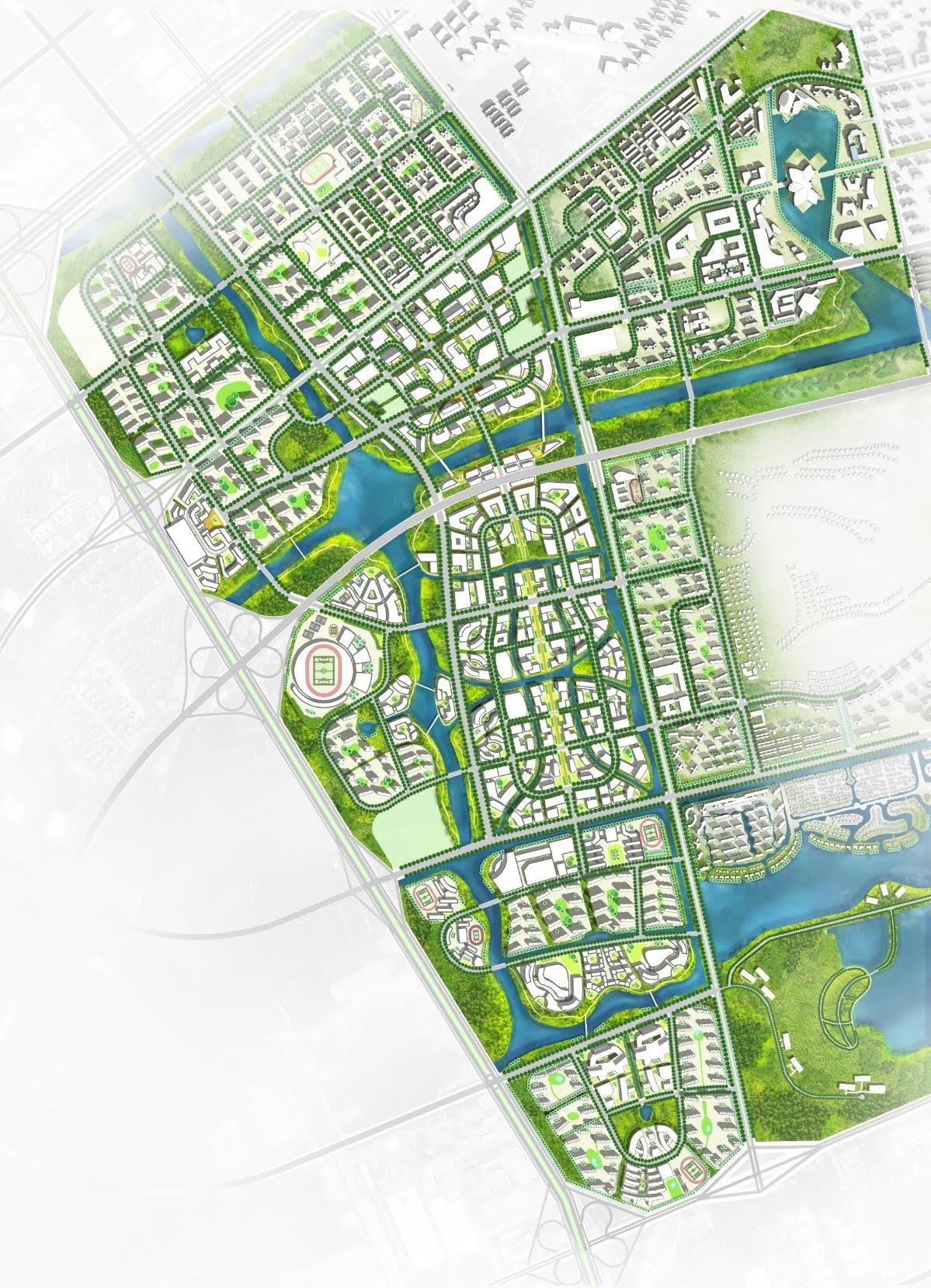
Guided by the principles of ecology-first, innovation leadership, and creating spaces and platforms for open sharing, the master plan introduces a forward-looking development model tailored to the estuarine landscape.
A district-level structural strategy responds to complex soil conditions while enabling:
Integrated infrastructure corridors
Multi-dimensional transport systems
Layered public spaces
Smart infrastructure networks
This flexible urban structure allows the district adaptability to technological change and long-term urban evolution, envisioning the Zhuhai Western City Centre as a potential national-level demonstration zone for Chinese-style modern urban innovation.
This comprehensive urban design guideline ensures that developments remain coherent and expressive over time, preventing the formation of fragmented development patterns. By integrating spatial order, functional clarity and cultural identity, the framework positions Zhuhai Western City Centre as a “gateway living room” to the Guangdong–Hong Kong–Macao Greater Bay Area.
A well-planned urban design, however, must be tactfully accompanied by delicate architectural strategies to reach its full potential.
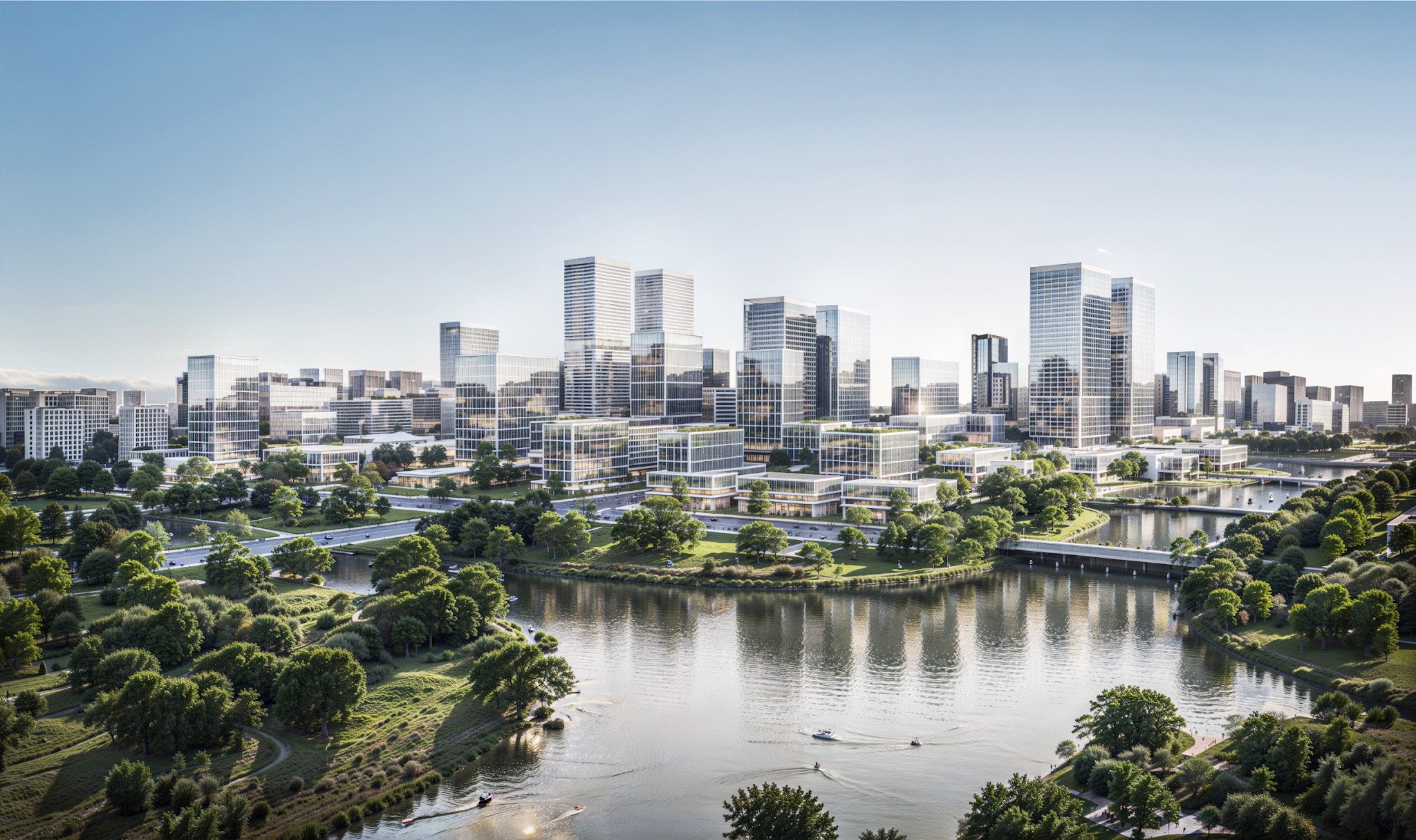
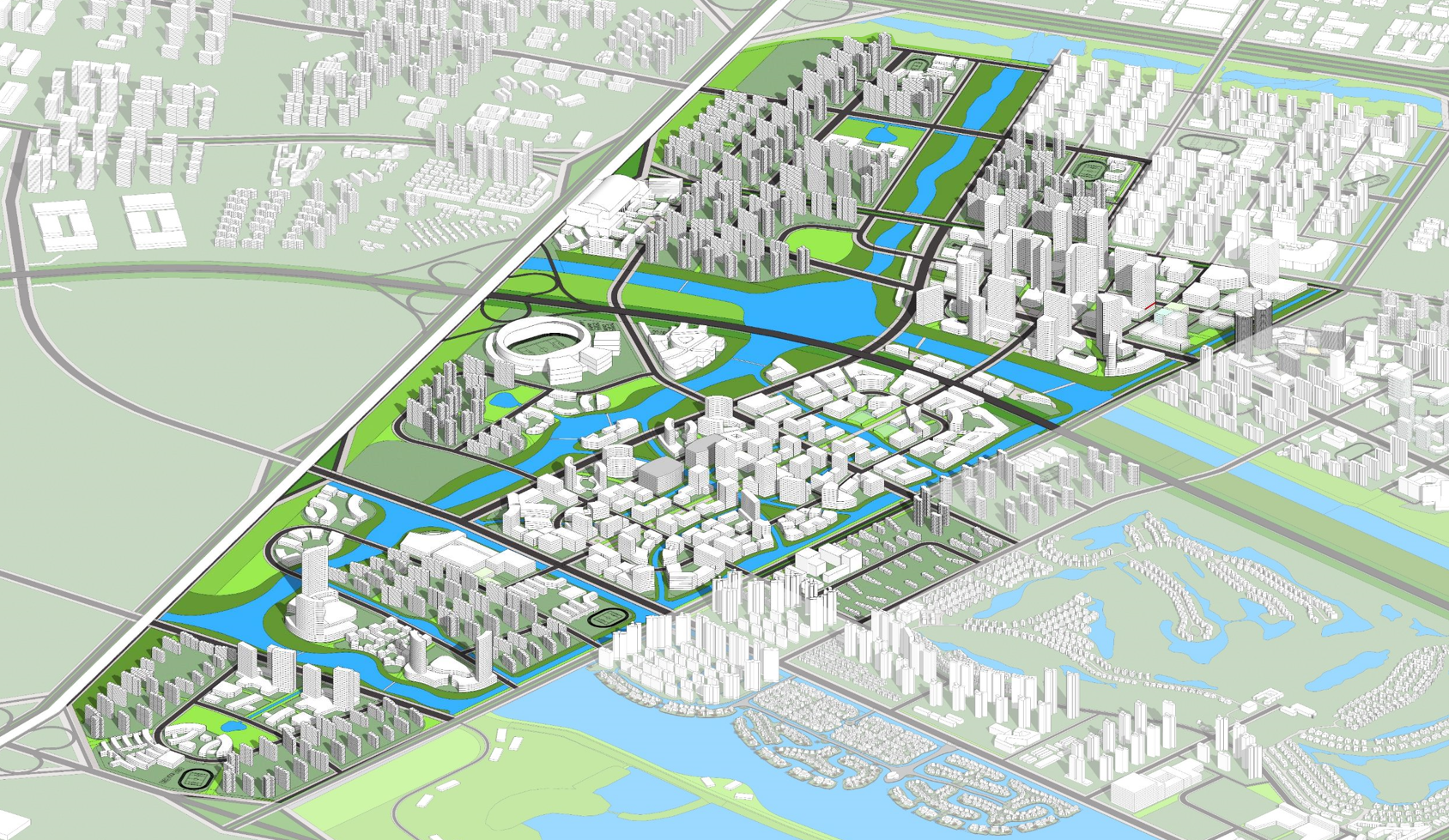
The urban form of the Western City Centre is organised through a clear hierarchy of spaces, with building height, massing, and density calibrated to surrounding context, blending contemporary design with Lingnan regional characteristics, creating a distinctive urban identity rooted in local culture.
The skyline composition, view corridors, and landmark buildings reinforce the relationship with the surrounding mountains, water, and urban form, sculpting a new, recognisable metropolitan skyline for the Greater Bay Area.
Beyond an urban expansion, the Western City Centre serves as a strategic catalyst for Zhuhai’s future development.
By integrating ecological resilience, advanced manufacturing, digital innovation, and cultural identity within a coherent spatial framework, the project demonstrates how Chinese-style modern urbanism can evolve into an effective and comprehensive urban system.
As Zhuhai consolidates its position on the west bank of the Pearl River Estuary, the Western City Centre offers a replicable blueprint for cities seeking innovation-led growth while remaining deeply connected to nature and culture.
Ultimately, it has grown into a city shaped by its inherent values, science, and art, allowing nature, industry, and urban life to integrate and develop as one cohesive system, for the betterment of the wider region and its occupants.